Retrograph: A Hand-Drawn Font for Crafters
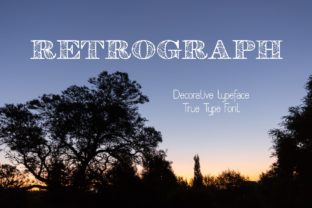
As a maker who spends countless hours designing labels, cutting vinyl, and prepping digital downloads, I know that the right typeface can make or break a product. We are not just selling items; we are selling an aesthetic, a feeling, and a brand identity. When I first discovered Retrograph, a hand-drawn decorative font created by Eva Barabasne Olasz, I immediately saw its potential for elevating handmade goods. It is not just another script; it is a tool that bridges the gap between professional polish and authentic, human touch.
This decorative typeface brings a distinct personality to any project. Its strokes feel organic and intentional, capturing the warmth of actual handwriting while maintaining the consistency needed for commercial production. For those of us running small shops on Etsy or creating custom stationery, finding a font that feels personal yet remains legible is a constant challenge. Retrograph solves this by offering a style that is expressive without being chaotic.
Bringing Warmth to Physical Products
The primary appeal of Retrograph lies in its versatility across physical mediums. Whether you are using a Cricut or Silhouette for vinyl cuts, or printing directly onto cardstock, this font performs beautifully. I have found it particularly effective for product labels where space is limited but impact is crucial. Imagine a small batch candle with a minimalist label. Using Retrograph for the scent name adds a boutique feel that a standard sans serif font simply cannot achieve. It suggests care, craftsmanship, and attention to detail.
For sticker creators, readability at small sizes is paramount. While highly decorative scripts can sometimes blur when scaled down, Retrograph maintains enough character definition to remain clear on 2-inch round labels or die-cut shapes. This makes it an excellent choice for branding elements on packaging, such as thank-you tags, tissue paper seals, or logo stamps. The hand-drawn nature of the font ensures that even when printed in black ink on kraft paper, it retains a high-end, artisanal look.
Ideal Uses for Wedding and Event Stationery
In the world of invitation design, couples are increasingly moving away from rigid, formal typography toward styles that reflect their personal stories. Retrograph fits perfectly into this trend. It works exceptionally well for wedding welcome boards, place cards, and menu headers. The font’s decorative flair adds a romantic, whimsical touch that pairs beautifully with floral illustrations or watercolor backgrounds.
When designing birthday invitations or baby shower announcements, this typeface allows you to highlight key details like names and dates without overwhelming the layout. It strikes a balance between playful and elegant, making it suitable for both children’s parties and sophisticated adult gatherings. The emotional appeal of a handwritten style helps recipients feel a personal connection to the event before they even arrive.
Enhancing Digital Downloads and Printables
For creators who focus on digital products, such as printable wall art, planner pages, or greeting card templates, Retrograph offers significant value. Customers often look for designs that feel unique and not mass-produced. By incorporating this premium font into your templates, you differentiate your offerings from generic Canva-style designs. It is ideal for quote posters, nursery decor, and motivational prints where the text is the main visual element.
When creating SVG-style designs for cutting machines, the clean paths of a well-designed font are essential. Retrograph provides the decorative look customers want while ensuring that the cut lines are smooth and manageable. This reduces weed time and material waste, which is critical for maintaining profit margins in a handmade business. Whether you are creating iron-on transfers for tote bags or shirts, or vinyl decals for mugs, the font’s structure holds up well under the stress of cutting and application.
Readability and Practical Design Advice
While Retrograph is undeniably attractive, practical application requires mindful design choices. As a display font, it shines in short phrases, titles, and names. It is not intended for long paragraphs of body text. To ensure maximum readability, avoid using it for detailed product descriptions or lengthy instructions. Instead, reserve it for headlines, logos, and accent words.
When using this font for small product labels, pay close attention to spacing. Hand-drawn fonts can sometimes have irregular kerning. Always preview your design at actual size before sending it to print or cut. If you are using it for a logo, consider increasing the tracking slightly to let each letter breathe. This prevents the decorative elements from merging together, which can happen with intricate scripts at smaller scales.
Strategic Font Pairing for Brand Consistency
To create a cohesive brand identity, pairing Retrograph with complementary typefaces is key. Because it is a decorative, hand-drawn font, it pairs best with clean, simple fonts that do not compete for attention. A modern sans serif font works wonderfully for subheadings and body text, providing a neutral backdrop that lets Retrograph stand out. Alternatively, a classic serif font can add a touch of traditional elegance, creating a sophisticated contrast between the old-world charm of the serif and the casual warmth of the handwritten style.
Avoid pairing it with other script fonts or overly ornate display fonts, as this can create visual clutter. The goal is to guide the customer’s eye, not overwhelm it. Use Retrograph for the emotional hook—the brand name or the main message—and use a simpler font for the informational content. This hierarchy improves user experience and enhances the perceived quality of your design assets.
Licensing and Commercial Use
Before integrating any new typeface into your workflow, understanding licensing is crucial. Retrograph, like most professional fonts, comes with specific terms regarding commercial use. For crafters and small business owners, this typically means you can use the font to create physical products for sale, such as printed invitations, t-shirts, and mugs. However, using the font file itself to create editable templates for resale or embedding it in web design may require different permissions.
Always check the included license file for details on multilingual support, available styles, alternates, ligatures, and swashes. These features can significantly expand your creative possibilities, allowing you to customize the look of the font to better match your brand voice. Ensuring you have the correct commercial font license protects your business and respects the work of the designer, Eva Barabasne Olasz, who crafted this tool for our creative community.
Incorporating Retrograph into your design toolkit can elevate your handmade products, making them stand out in a crowded marketplace. Its blend of charm, readability, and professional quality makes it a valuable asset for anyone serious about building a recognizable and appealing brand.